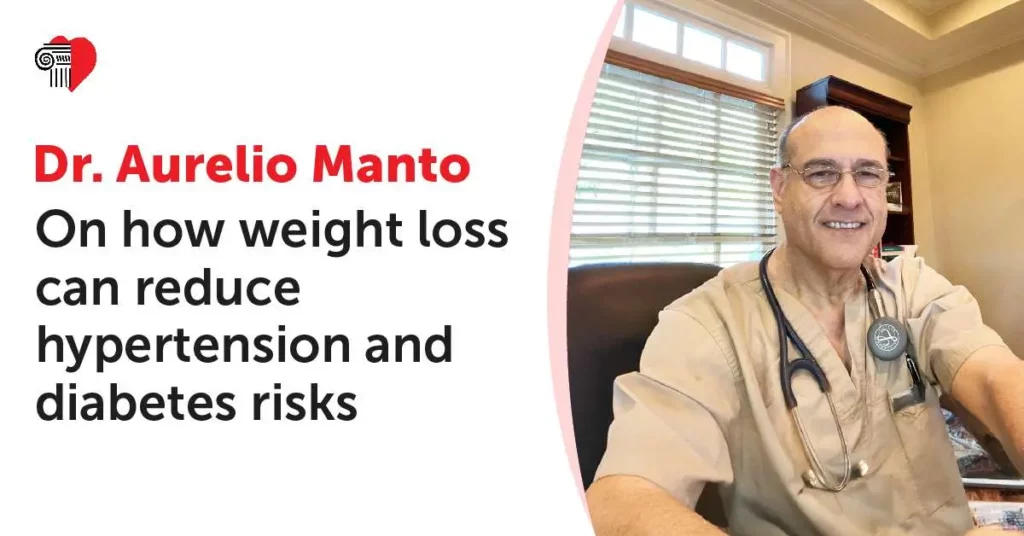
Dr. Aurelio Manto on How Weight Loss Can Reduce Hypertension and Diabetes Risks
Obesity is a growing global concern, with 40.3% of U.S. adults classified as obese and 9.7% severely obese (2021–2023 data). This condition significantly raises the risk of chronic diseases like hypertension and diabetes. Dr. Aurelio Manto emphasizes that even a 5-10% weight loss can greatly improve health and reduce complications. At his weight loss clinic, patients receive a personalized approach that combines dietary guidance, smartphone apps, and medications, offering an effective path to better health and chronic disease management.
The Obesity Epidemic and Its Health Impacts
Obesity is a growing concern, affecting nearly half of U.S. adults and placing immense pressure on healthcare systems. This condition significantly increases the risk of chronic diseases like hypertension and type 2 diabetes, often referred to as silent killers due to their severe complications, including heart disease, kidney failure, and stroke. Excess body weight contributes to these conditions by producing inflammatory substances that harm the heart and blood vessels, raising blood pressure. It also impairs the body’s ability to use insulin effectively, leading to elevated blood sugar levels. This harmful cycle underscores the urgency of early intervention to manage obesity and reduce its impact on health.
How Weight Loss Helps Reduce Hypertension
- Lower Blood Pressure: For every kilogram (approximately 2.2 pounds) of weight lost, blood pressure can drop by about 1 mm Hg. This may seem small, but even slight reductions can significantly reduce the risk of heart disease and stroke.
- Improve Heart Health: Weight loss reduces the strain on the heart, improving its efficiency and decreasing the likelihood of developing complications like heart failure.
- Decrease Inflammation: Losing weight lowers the production of inflammatory substances that contribute to high blood pressure.
The Role of Weight Loss in Managing Diabetes
- Enhancing Insulin Sensitivity: Shedding excess pounds allows insulin to work more effectively, helping the body regulate blood sugar levels better.
- Reducing Blood Sugar Levels: Losing even 5-10% of body weight can lead to significant reductions in HbA1c, a marker of long-term blood sugar control.
- Lowering Medication Needs: Many patients find they can reduce their reliance on diabetes medications—or even stop them entirely—once they achieve a healthy weight.

- Preventing Complications: Early and consistent weight management reduces the likelihood of diabetes-related complications, preserving overall health and quality of life.
Dr. Aurelio Manto’s Comprehensive Approach to Weight Loss
At Dr. Manto’s clinic, patients receive more than just generic advice about diet and exercise. The focus is on creating a personalized plan that fits each individual’s lifestyle and medical needs. Here’s how Dr. Manto and his team make it happen:
1. Dietary Guidance: Nutrition is the cornerstone of weight loss. The clinic provides customized meal plans designed to support weight loss while ensuring balanced nutrition. These plans are tailored to accommodate food preferences, cultural considerations, and medical conditions.

- Smartphone Apps: Technology plays a crucial role in modern weight management. Patients use advanced apps to track their progress, monitor food intake, and set reminders for exercise and medication. These apps also allow Dr. Manto’s team to provide real-time feedback and encouragement.
- Medications: For patients who struggle to lose weight through diet and exercise alone, safe and effective weight-loss medications are available. These medications are carefully selected and monitored to ensure optimal results.

- Behavioral Support: Sustainable weight loss requires more than physical changes; it also involves a shift in mindset. The clinic offers resources and support to help patients build healthier habits and stay motivated.
Real Results, Real Impact
The results from Dr. Manto’s clinic speak for themselves. Patients who commit to the program not only lose weight but also experience marked improvements in their overall health. Blood pressure stabilizes, blood sugar levels drop, and energy levels increase. These changes empower patients to take control of their health and reduce their risk of long-term complications.
One patient, for instance, reported losing 15% of their body weight over six months. This not only improved their blood pressure but also allowed them to reduce their diabetes medication by half. Stories like these highlight the life-changing impact of Dr. Manto’s approach.
Why Early Action Matters
As obesity rates continue to rise, the importance of early intervention becomes even more critical. Waiting until hypertension or diabetes progresses can lead to irreversible damage. By addressing weight issues early, patients have the best chance to prevent complications and achieve lasting health benefits.
Dr. Manto’s clinic offers a welcoming and supportive environment where patients feel empowered to make these changes. With the right tools, guidance, and commitment, anyone can take the first step toward a healthier, happier future.
Conclusion
If you or someone you know is struggling with obesity, hypertension, or diabetes, don’t wait. Reach out to Dr. Aurelio Manto’s clinic to explore a comprehensive, personalized approach to weight loss. A healthier, more vibrant life is within your reach—and it starts with that first step. Let Dr. Manto and his team guide you on the path to better health.
References
- Adult Obesity Facts – Centers for Disease Control and Prevention (CDC)
- Obesity and Severe Obesity Prevalence in Adults – CDC National Center for Health Statistics
- Overweight & Obesity Statistics – National Institute of Diabetes and Digestive and Kidney Diseases (NIDDK)
- Obesity and Type 2 Diabetes – StatPearls, National Library of Medicine (NIH)
- Obesity Management for the Treatment of Type 2 Diabetes – National Library of Medicine (NIH)
- Weight Loss Therapies and Hypertension Benefits – PMC, National Institutes of Health
- Management of Hypertension and Diabetes in Obesity: Non-Pharmacological Measures – PMC, NIH
- Clinical Guidelines on Identification, Evaluation, and Treatment of Overweight and Obesity in Adults – National Heart, Lung, and Blood Institute (NHLBI)

Nice Post.